Aarhus Universitets logo
English
Botanisk Have
Åbningstider
Praktisk information & foto
Planlæg besøg
Oplevelser i Væksthusene
Oplevelser i Botanisk Have
Cafeen i Væksthusene
Steno Museet
Åbningstider
Praktisk information
Planlæg besøg
Udstillinger
Oplevelser på museet
Museumsbutikken på Steno Museet
Den medicinske urtehave
Ole Rømer Observatoriet
Åbningstider
Planlæg besøg
Praktisk information
Stjerneforevisninger 2024
På tur i Scienceparken
Sommerrundvisninger
Astronomi i Aarhus
Astronomibloggen
Herbariet
Herbariets samling
Herbariets database
Foredrag i Naturvidenskab
Til skoler
Book workshop
Gratis undervisningsmaterialer
Science Museernes læringsmodel
Praktiske oplysninger
Nyhedsbrev
Webshop
Om Science Museerne
Samlingerne
Medarbejdere
Frivilligkorpset
Venneforeninger
Organisation
Arkitekturen
Weisbergfonden
Presse
Publikationer
Stenomusen
Du er her:
Science Museerne
Steno Museet
SCIENCE & ASTRONOMI I ØJENHØJDE
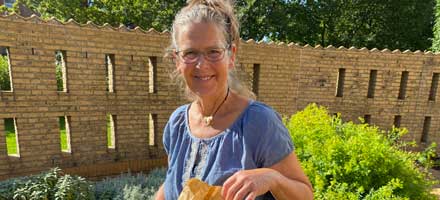
Med botaniker Anne Murmann
RUNDVISNINGER I URTEHAVEN
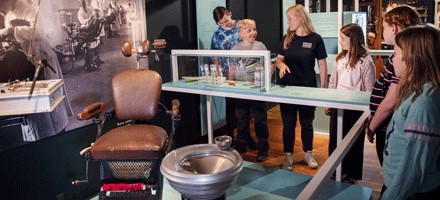
En udstilling om kropsidealer gennem tiden
KÆRE KROP, SVÆRE KROP
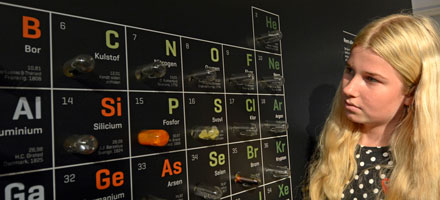
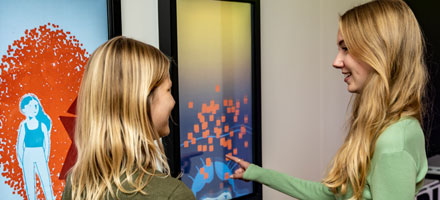
Fokus på teknologiforståelse
KEND DINE DATA
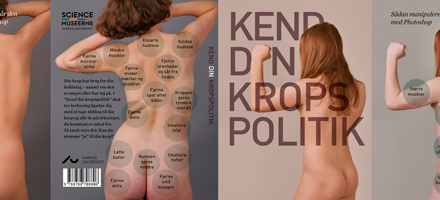
Debatbog om kropsidealer . gratis for skoler
KEND DIN KROPSPOLITIK
På opdagelse i en usynlig verden
DET NYSGERRIGE MENNESKE
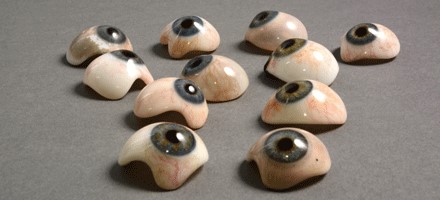
En trussel mod menneskeheden
EPIDEMIER
Tag et kig i Steno Museets magasiner
SAMLINGERNE
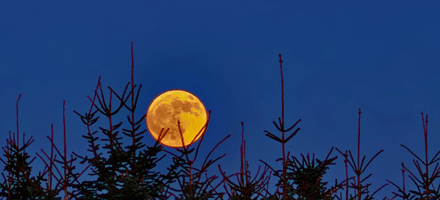
Se program for forår og sommer 2024
FULDMÅNEAFTEN I PLANETARIET
Tag ud under stjernerne hver weekend
FORESTILLINGER I PLANETARIET
Forskerliv og kogte krabber
VIDENSKAB ER LIDENSKAB
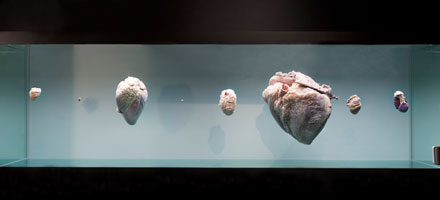
Udstilling om den overvågede krop
KROPPEN SOM DATA
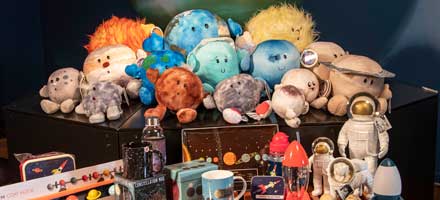
Køb i museumsbutik eller webshop
SPÆNDENDE SCIENCE-GAVER
Om det danske sundhedsvæsen i 100 år
GENTESTS OG TANDBØRSTER
Lær planeterne og galakserne at kende
ASTROTEKET
Åbningstider
Praktisk information
Planlæg besøg
Book tid til klassens besøg
Steno Museet
#stenomuseet på Instagram
Nyheder
Velkommen hjem, Andreas Mogensen
01. maj 2024
-
Ole Rømer-Observatoriet
Rundvisning i Den medicinske urtehave
05. april 2024
-
Steno Museet
Kend din kropspolitik
31. marts 2024
-
Steno Museet
Stjerner og galakser set i superteleskop på Ole Rømer Observatoriet
13. marts 2024
-
Ole Rømer-Observatoriet
Kig op – hvad kan du se på himlen i den første forårsmåned?
01. marts 2024
-
Science Museerne
Revideret 05.04.2024
-
Science Museerne